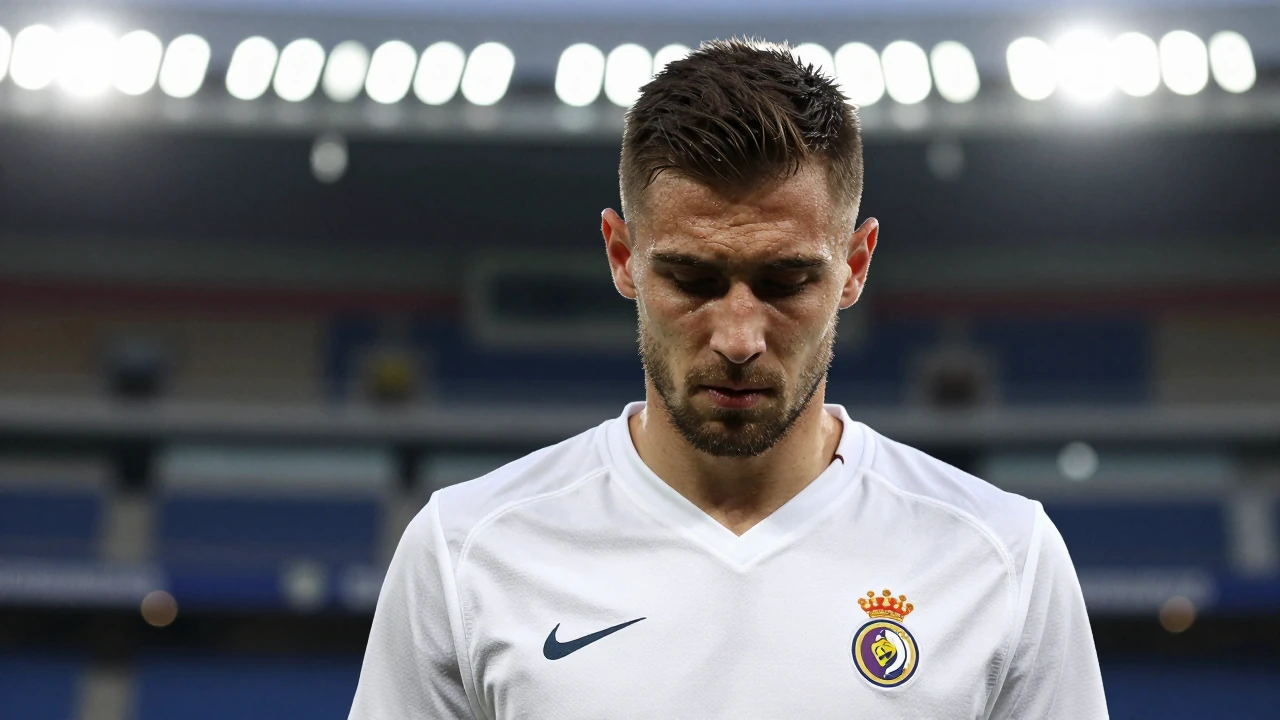
Málaga CF has built a squad with a strong local identity at the start of the 2026/27 season. According to a report by AS this week, the Andalusian club's first team features 16 academy graduates and only one player not born in Spain, Argentine forward Juan Cruz.
The team showcased this profile in its first two league matches. Manager Juanfran Funes fielded an all-Spanish starting eleven against Atlético de Madrid, with six products of the youth academy. Against Deportivo, the introduction of Juan Cruz was the only variation. The attacker, though born in Argentina, moved to Málaga at age four and came through the club's youth ranks from the age of ten.
How many academy players are at Málaga CF?
The number of homegrown players reached 19 during the pre-season. Fourteen were already at the club last season, joined by five new faces: Pablo Arriaza, Fernando Calero, Juan Cruz, Juani, and Otu. Recent movements have adjusted the list, however. The departure of Dani Sánchez, the relegation of Moussa Diarra to the reserve team, and the likely loan of Arriaza bring the current total to 16 academy players. Calero and Cruz, despite being summer signings, are considered homegrown because their football education was in Málaga's youth system.
This approach contrasts with the general trend. In 2017, Granada made history by fielding eleven players from eleven different nationalities. Almost a decade later, Málaga presents the opposite picture. The team aims to maintain this philosophy in its upcoming visit to the Santiago Bernabéu, a match fans can find on the fixtures calendar.
Who are the key academy graduates?
Several homegrown players are already undisputed starters. In defence, Einar Galilea and Rafita are central pieces. In midfield, Dani Lorenzo and Izan Merino provide dynamism. In attack, Roberto Larrubia and 'Chupe' are important offensive options. The full squad, with ages and minutes played, is available on the squad page.
Juan Cruz is the exception that proves the rule. He is the only first-team squad member born outside Spain. His case is special because, although he holds an Argentine passport, his football development is entirely from Málaga. He joined the club at youth level and progressed through all the age groups.
What does this model mean for the club?
This bet on youth defines the identity of the current sporting project. Málaga CF has become an exception within an increasingly globalized La Liga. The sporting direction, led by Loren Juarros, maintains this philosophy while managing the transfer market. The club still has open operations, such as for Everton left-back Anzou and Napoli midfielder Jens Cajuste. Any foreign signing would alter the current balance.
For supporters, this model creates a stronger emotional bond with the team. Seeing players who grew up at the club wearing the shirt is an added value. It also has economic implications, reducing dependence on costly market operations. The performance data for these players can be followed on the team's stats.
The path is not without challenges. Remaining competitive in the top flight with such a young and local squad requires patience and excellent technical work. The upcoming matches, including difficult trips to major stadiums, will be the real test for this unique model in La Liga.